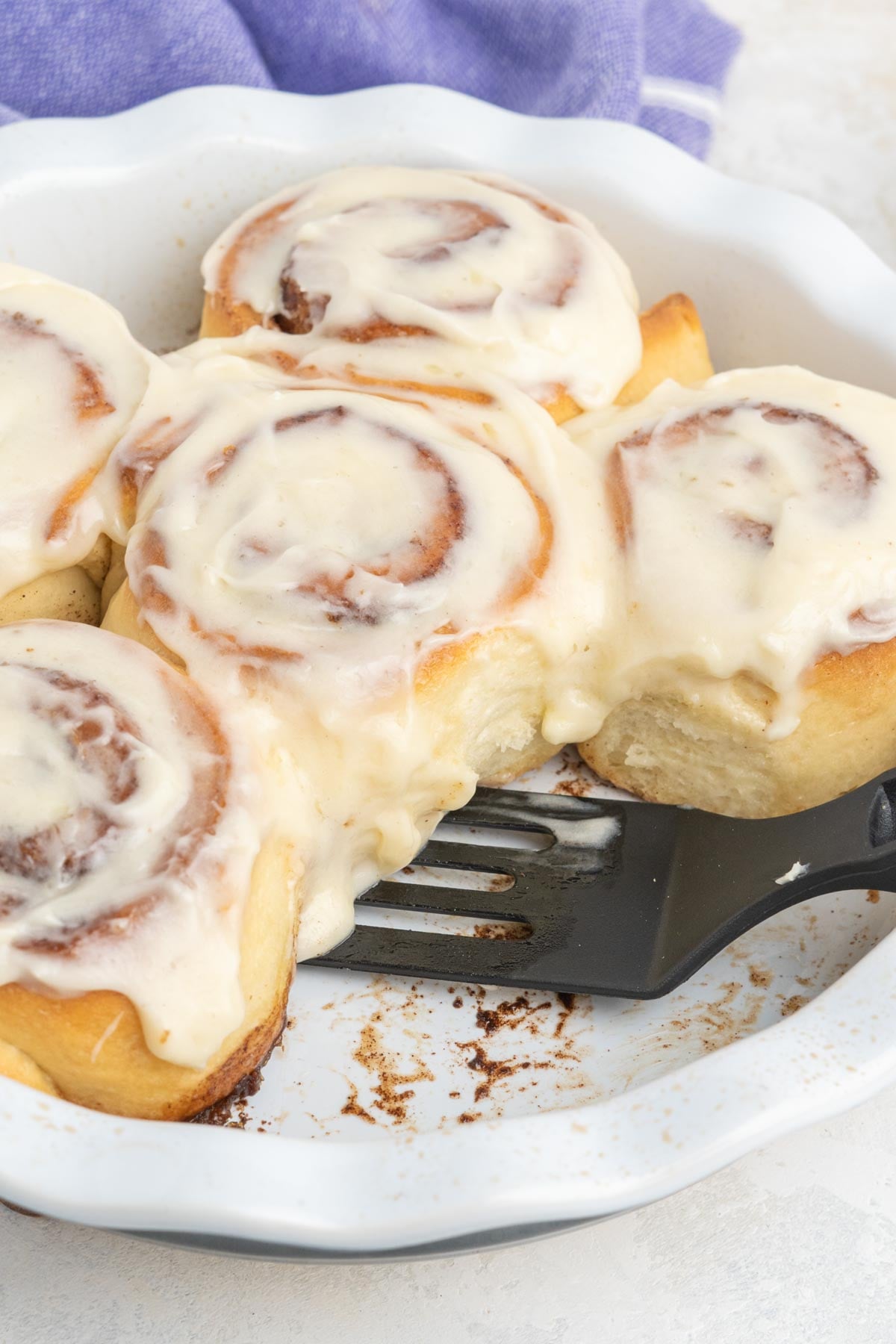
Why Small Batch Cinnamon Rolls Are Your New Favorite Treat
There are few aromas as comforting and inviting as fresh-baked cinnamon rolls. That warm, sweet, yeasty scent wafting through your kitchen promises a morning (or afternoon!) of pure indulgence. But let's be honest, traditional cinnamon roll recipes often yield a monumental batch — sometimes 20, 30, or even 40 rolls. While a huge tray of sticky buns might be perfect for a holiday brunch or a massive gathering, for most everyday cravings, it's simply too much.
Enter the magical world of small batch cinnamon rolls. This brilliant approach allows you to satisfy that irresistible yearning for fluffy, gooey perfection without committing to a week of cinnamon roll breakfasts or wrestling with dozens of leftovers. Imagine gazing lovingly at a perfect dozen of these sweet swirls, knowing each one will be savored without an ounce of waste. It’s the ideal solution for smaller households, intimate gatherings, or simply when you want to treat yourself to something truly special.
This guide will walk you through creating 12 utterly perfect, bakery-style cinnamon rolls right in your own kitchen. We'll demystify the process, from crafting the ideal dough to achieving that signature gooey center and irresistible glaze, ensuring a delightful and manageable baking experience.
Crafting the Perfect Dough: The Foundation of Fluffy Rolls
The secret to an exceptional cinnamon roll lies in its dough. It needs to be soft, supple, and just rich enough to create that coveted fluffy texture. Here's how to master it:
Ingredient Harmony
- Yeast: Ensure your yeast is fresh. Whether you use active dry or instant, follow the instructions carefully. Active dry often requires proofing in warm liquid first, while instant can typically be mixed directly with dry ingredients.
- Liquid: Milk is typically preferred for a richer dough. Warm it to the correct temperature (around 105-115°F for active dry yeast) — too hot will kill the yeast, too cold won't activate it.
- Fat: Butter adds flavor and tenderness. Make sure it's softened, not melted, for better incorporation.
- Flour: All-purpose flour is standard. The most crucial tip here, as seasoned bakers will tell you, is to focus on the feel of the dough rather than the exact flour amount specified in the recipe. Flour measurements can vary due to humidity, how it's scooped, and even brand differences.
The Mixing Process
Using a stand mixer fitted with a dough hook makes this process a breeze. Combine your wet and dry ingredients according to your chosen recipe. The dough will start out shaggy, but with continued mixing (typically 5-8 minutes on medium speed), it should transform.
Perfect Dough Texture Check: The dough is ready when it forms a ball that is soft, smooth, and elastic. When you gently touch it, it should feel tacky but not leave a lot of sticky residue on your fingers. If it's too dry, it'll make stiff, dense rolls. Too sticky, and your rolls will be dense and difficult to handle. A beautiful lump of dough should hold its shape, feel stretchy, and pull and sag slightly when held up without sticking to your fingers.
The First Rise (Proofing)
Once mixed, place your dough in a lightly greased bowl, turning it once to coat. Cover it loosely with plastic wrap or a clean kitchen towel and let it rise in a warm spot. The ideal temperature range is usually 70-80°F. Depending on your kitchen's temperature, this rise typically takes 1 to 1 1/2 hours, or until the dough has noticeably puffed up and roughly doubled in size. A slightly warm (turned off) oven can make a great proofing environment.
Mastering the Roll: From Rectangle to Perfect Swirl
Once your dough has completed its first rise, it's time for the fun part: shaping those glorious rolls.
Prepping Your Surface and Dough
Gently punch down the dough to release the accumulated gases. This also relaxes the gluten, making the dough easier to work with. Turn the dough out onto a lightly greased countertop. Many bakers prefer using non-stick cooking spray over flour for this step. Why? Because dusting with too much flour can make your rolls dry and tough. A greased surface keeps the dough soft and prevents sticking.
This particular dough recipe is often so wonderfully malleable that you won't even need a rolling pin! Simply use your hands to pat it into a rough rectangle, aiming for dimensions around 14x10 inches. Embrace the imperfections; it's homemade, after all.
The Irresistible Filling
This is where the magic really happens:
- Butter Base: Evenly spread about 6 tablespoons of softened (but not melted!) butter across your dough rectangle, leaving a small border free along one long edge. The butter acts as a glue for the sugar and helps create that gooey layer.
- Sweet Spice Blend: In a separate bowl, combine your brown sugar and cinnamon. Some recipes suggest adding a small amount of flour to this mixture — this can help prevent the filling from oozing out too much during baking, though many prefer to omit it for maximum gooeyness. Sprinkle this fragrant concoction generously over the butter-coated dough, ensuring even coverage.
The Art of Rolling and Cutting
Starting with one of the *long* ends of your rectangle, begin to roll the dough up tightly. The key here is to roll as snugly as possible without stretching the dough. Stretching and pulling on the dough can lead to misshapen rolls, dreaded gaps in the baked product, and an uneven texture. Keep a gentle but firm hand, guiding the dough into a consistent log.
Once you have a tightly rolled log, it's time to cut it into 12 equal pieces. For the cleanest cuts, a serrated knife is excellent, using a gentle sawing motion rather than pressing straight down. Alternatively, a piece of plain, unflavored dental floss or strong thread can create incredibly neat slices. Simply slide the floss under the log, cross the ends over the top, and pull to cut cleanly through the dough. Tucking the ends of each roll underneath helps maintain their shape and prevents unraveling during baking.
Arrange your neatly cut rolls evenly in a lightly greased 9x13-inch baking pan. Give them a little space, as they'll expand during their final rise and baking.
Baking Bliss: Achieving Golden, Gooey Perfection
You're almost there! Just a couple more steps to transform your raw dough into those golden, fragrant delights.
The Second Rise
Cover your pan of neatly arranged rolls loosely with plastic wrap or a kitchen towel and let them rise again in a warm spot for another 30-45 minutes. This second rise allows the rolls to become light and airy. They should look noticeably puffy and almost touch each other in the pan.
Baking to Perfection
Preheat your oven to around 375°F (190°C). Bake the cinnamon rolls for approximately 20-25 minutes, or until they are beautifully golden brown on top and cooked through. To check for doneness, gently press on a roll; it should spring back slightly. Be careful not to overbake, as this can lead to dry rolls. If the tops are browning too quickly, you can loosely tent the pan with foil.
The moment they emerge from the oven, hot and fragrant, is pure bliss. The butter and sugar filling will have melted into a luscious, gooey syrup, making each bite an experience.
The Icing on the Cake (or Roll!)
While the rolls are still warm (but not piping hot), it's time for the crowning glory: the glaze. A classic cream cheese glaze is often preferred for its tangy sweetness that perfectly complements the rich cinnamon. Whisk together softened cream cheese, butter, powdered sugar, a splash of vanilla extract, and a touch of milk or cream until smooth and spreadable. For that classic melt-into-the-crevices effect, drizzle the glaze over the warm rolls. If you prefer a thicker, more defined frosting layer, wait until the rolls have cooled slightly more.
Beyond the Basics: Tips for Small Batch Cinnamon Roll Success
To ensure every batch of your perfect small batch cinnamon rolls is a resounding success, consider these additional tips:
- Quality Ingredients Matter: Using fresh, high-quality ingredients — especially good butter and fresh yeast — can make a noticeable difference in the flavor and texture of your rolls.
- Room Temperature for Most: For best results and easier mixing, ensure ingredients like butter, eggs, and milk are at room temperature unless the recipe specifies otherwise.
- Don't Rush the Rise: While patience is key, sometimes dough can be slow to rise. If your kitchen is cool, try placing the dough in a slightly warmed (but turned off) oven, or near a sunny window.
- Make-Ahead Options:
- Overnight: After placing the cut rolls in the pan, cover tightly and refrigerate overnight (up to 12-18 hours). The next morning, let them come to room temperature and rise for about 60-90 minutes before baking.
- Freezing Baked Rolls: Bake and cool rolls completely, then wrap individually and freeze. Reheat in the microwave or oven.
- Freezing Unbaked Rolls: Place cut rolls in a freezer-safe pan, cover tightly, and freeze. When ready to bake, thaw in the refrigerator overnight, then let rise at room temperature before baking as usual.
- Flavor Variations: Don't be afraid to experiment! Add chopped nuts (pecans or walnuts) or raisins to your filling. A little orange zest in the dough or filling can add a bright, complementary note.
There's an undeniable joy in baking, especially when the reward is something as utterly delightful as a warm, homemade cinnamon roll. Opting for a small batch eliminates the pressure and potential waste of larger recipes, making it a perfect fit for modern life. So go ahead, embrace the fluffy, gooey, and easy process. You're just a few steps away from enjoying a dozen of the most perfect small batch cinnamon rolls you've ever tasted. Your taste buds — and your conscience — will thank you.
